


in your home!™
Consultant


San Francisco Color Consultant
Quality Color Consulting
in San Francisco
in San Francisco
It’s widely recognized that pleasing color combinations are born from the harmony of colors that complement each other. In contrast, colors that clash disrupt this harmony.
Selecting harmonious colors is the key to crafting visually appealing color schemes. However, for many, this task can feel overwhelming. They may yearn for vibrant and captivating paint colors to breathe new life into their homes but often lack the confidence to make the right color choice.
Color is the quickest and often the most cost-effective method to revitalize a space, unlocking its full potential. Whether your goal is to enhance curb appeal, set a specific mood, or make a bold statement, it can be achieved through skillful use of color. Employing the services of a professional color consultant can prove immensely beneficial toward achieving this goal.
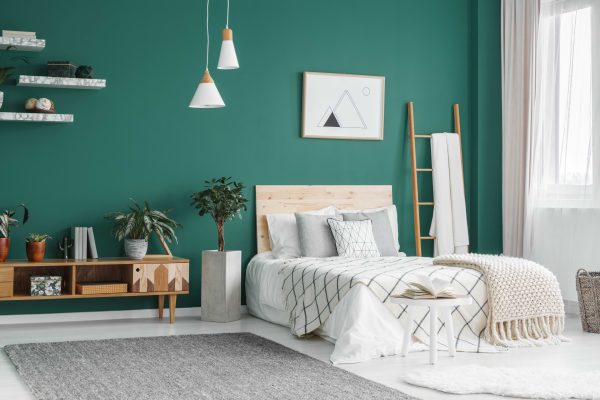
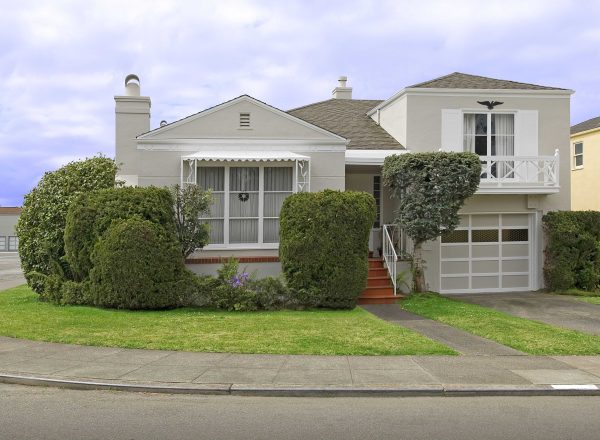
By analyzing the undertones in your home, the color consultant can pinpoint the ideal color or color palette to have the greatest impact on your space. Even if you have specific colors in mind, the consultant can guide you in combining them in unexpected ways to create a harmonious and aesthetically pleasing result. However, the color consultant may introduce you to options you might not have considered previously, so it’s important to keep an open mind.
Don’t let the fear of making a color mistake hold you back from expressing your love for color! A paint color consultation is designed to dispel doubts and fears about a color decision. It can be a valuable and reassuring step in the process of choosing colors for your home. The main role of a color consultant is to help you tap into and express your unique sense of style through color, ensuring that your home is painted with a color scheme you’ll enjoy for years to come.
Whether you aspire to completely transform the character of your San Francisco home or just want to add a splash of color to an accent wall, our color consultation process is as easy as 1-2-3:

- Contact us to schedule a color consultation appointment.
- Our color consultant will visit your home, spending about an hour discussing your ideas, reviewing magazine clippings, and suggesting possible color schemes.
- Once you’ve made your choice, our color consultant can provide sample color brush-outs – actual paint colors on 8″ by 11″ cardboard cards. These brush-outs help you visualize the final result. Additionally, for intricate projects like a multi-color San Francisco Victorian, we offer Architectural Renderings, which act as a “paint-by-number” guide for the paint crew, ensuring precise color placement.

Working with a color expert will equip you with the confidence to transform your space to its fullest potential.
Call us today at 415-566-4910 or fill out our contact form below to schedule your color consultation appointment.